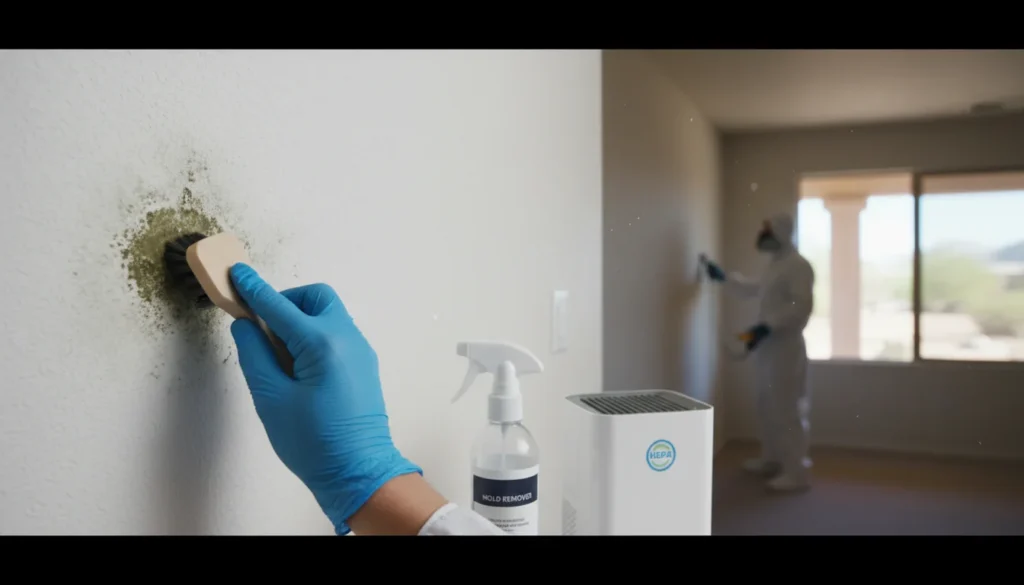
Direct Answer: How to Remove Mold in Mesa, AZ Quickly and Safely
If you suspect mold in your Mesa home, the fastest path to a healthy indoor environment is to contact a certified professional for a thorough mold inspection followed by targeted removal using industry‑approved methods. Early detection, proper containment, and complete remediation prevent health risks and costly damage.
Why Mesa Homeowners Face Unique Mold Challenges
Mesa’s desert climate creates a paradox: hot, dry days are punctuated by monsoon‑season humidity spikes that can saturate walls, basements, and HVAC systems. Combined with older adobe construction and occasional water‑pipe leaks, these conditions make mold a frequent hidden threat. Understanding the local climate patterns helps you anticipate problem areas before they spread.
Step‑by‑Step Mold Removal Process
1. Professional Mold Inspection
A certified inspector uses moisture meters, infrared cameras, and lab‑tested air samples to locate hidden colonies. This step is essential because visible mold is only the tip of the iceberg. In Mesa, inspectors also check for condensation behind concrete block walls—a common issue in the downtown area.
2. Containment and Safety Setup
Once the extent is known, technicians seal off the affected zone with plastic barriers and negative air pressure machines. Personal protective equipment (PPE) such as N‑95 respirators, gloves, and goggles protect both workers and occupants.
3. Removal of Contaminated Materials
Porous items like drywall, insulation, and carpet that have absorbed mold must be removed and disposed of according to Arizona health regulations. Non‑porous surfaces are scrubbed with a diluted EPA‑registered biocide.
4>Cleaning and Disinfection
After physical removal, all surfaces are cleaned with a detergent solution, then treated with an antimicrobial sealant to inhibit future growth. Special attention is given to HVAC ducts because they can redistribute spores throughout the home.
5>Drying and Dehumidification
Moisture control is the cornerstone of long‑term success. Industrial‑grade dehumidifiers run 24‑hours a day until the structure reaches a safe moisture content below 12 percent.
6>Final Inspection and Clearance Testing
A follow‑up inspection verifies that mold levels are back within normal indoor air quality standards. Clearance testing provides homeowners with a written report and peace of mind.
Common Mold Hotspots in Mesa Homes
- Bathrooms and kitchens – Leaky faucets, shower stalls, and grease buildup create ideal feeding grounds.
- Basements and crawl spaces – Poor grading and inadequate ventilation trap moisture.
- Roof leaks – Monsoon storms often expose roof seams, allowing water to seep into attic insulation.
- HVAC systems – Condensation on cooling coils can nurture mold if filters aren’t changed regularly.
Prevention Tips Tailored for Mesa Residents
Prevention is cheaper than remediation. Follow these actionable steps:
- Install a whole‑home dehumidifier set to 45‑50% relative humidity.
- Repair any roof or plumbing leaks within 24 hours.
- Use exhaust fans in bathrooms and kitchens and keep them running for at least 15 minutes after use.
- Schedule annual mold inspections especially after the monsoon season.
- Maintain proper grading around your foundation to direct water away from the house.
Understanding Health Risks of Mold Exposure
Exposure can trigger allergic reactions, asthma attacks, and chronic sinusitis. Vulnerable groups—children, the elderly, and immunocompromised individuals—are especially at risk. Mold spores release mycotoxins that can affect the nervous system when inhaled over long periods. Prompt removal protects your family’s health.
Cost Factors for Mold Removal in Mesa
Pricing depends on square footage, extent of contamination, and whether structural repairs are needed. Typical residential projects range from $1,500 to $6,000. Homeowners can often claim insurance if water damage preceded the mold growth. Always request a detailed estimate that breaks down inspection, containment, removal, and post‑remediation testing.
Choosing the Right Mold Removal Service in Mesa
Look for certifications such as IICRC S520 and membership in the Indoor Air Quality Association. Local expertise matters—companies familiar with Mesa’s building codes and climate trends can anticipate hidden problem areas. Reading reviews from neighborhoods like Downtown Mesa gives insight into reliability and customer satisfaction.
DIY vs. Professional Remediation
Small, surface‑level mold (less than 10 sq ft) can be cleaned with a detergent‑bleach solution, but the risks of incomplete removal and cross‑contamination are high. Professional crews have containment equipment, HEPA vacuums, and trained personnel to handle larger infestations safely.
When to Call an Expert Immediately
If you notice any of the following, schedule a professional assessment without delay:
- Rapidly spreading black or green patches
- Persistent musty odor despite cleaning
- Water damage from flooding or burst pipes
- Health symptoms that improve when you leave the home
Conclusion: Protect Your Home and Health with Proactive Mold Management
By understanding Mesa’s climate quirks, recognizing early signs, and partnering with a qualified mold removal service, homeowners can safeguard their property value and family well‑being. Regular inspections, swift remediation, and diligent prevention keep mold at bay year after year.
Leave a Reply